
Best Free App for Budgeting: 2026 Top Picks Compared
Compare the best free app for budgeting in 2026, with top picks reviewed for features, ease of use, and value to help them choose the right fit quickly.
EveryDollar is the strongest free starting point for people who want to assign their income a purpose, while Empower, Goodbudget and Rocket Money fit other common needs. Zero-based budgeting means assigning every dollar a job so that income minus expenses equals zero. EveryDollar offers a hands-on way to build that plan, while Empower gives more attention to investments and net worth. Goodbudget suits envelope planning, and Rocket Money focuses on subscriptions and recurring bills.
The right choice depends on whether someone prefers manual control, automatic bank imports, household sharing or investment tracking. A free tool works best when its daily routine feels manageable, not like another bill to pay. These picks offer different ways to keep spending visible and move toward savings or other financial goals. A useful choice is one that matches the reader’s routine well enough to use consistently.
Key Takeaways
- EveryDollar is the lead free choice for a hands-on, zero-based budget.
- Empower brings spending, investments and net worth into one view.
- Goodbudget uses virtual envelopes to organize category limits.
- Rocket Money focuses on recurring charges, subscriptions and bill reminders.
- SoFi Relay offers linked-account spending views and credit monitoring.
Best Free App for Budgeting: Top Picks by Need
The three strongest starting picks are EveryDollar for zero-based budgeting, Empower for wealth tracking and Goodbudget for envelopes. EveryDollar is the broad free pick for people who want a planned budget and do not mind manual transaction entry. Each option approaches spending differently, so the most useful choice depends on the task that needs attention.
Forbes Advisor’s 2026 testing named EveryDollar its best free budgeting app and reported that it offers unlimited monthly customizable budget categories. That makes it a practical starting point for people who want to plan spending by category. Empower is more useful for investment and net-worth tracking, while Goodbudget puts limits into digital envelopes.
| App | Best fit | Free approach | Main trade-off |
|---|---|---|---|
| EveryDollar | Zero-based planning | Manual transaction entry | Automatic imports require Premium |
| Empower | Investment and net-worth tracking | Linked account overview | Less focused on detailed category planning |
| Goodbudget | Envelope budgeting | Digital spending envelopes | Free plan limits accounts, devices and envelopes |
| Rocket Money | Subscriptions and recurring bills | Linked-account tracking and reminders | Some features require Premium |
| SoFi Relay | Account-level overview | Spending, savings and credit views | Not a detailed category-by-category plan |
Choose the app by the task it must handle most often, not by the number of features in its description.
People comparing the best free budgeting apps in 2024 should account for Mint’s shutdown in March 2024. An old shortlist may no longer match current free-plan details, which can change what someone can do without paying.
Rocket Money stands apart for recurring charges, while SoFi Relay makes account-level information easier to scan. A budget can start with one primary tool rather than several overlapping apps. Choose by the task the app must handle most often, not by the number of features in its description.
How the Picks Were Evaluated
A free budgeting tool earns a place on the shortlist when its core method and daily workflow fit the person using it. Useful features are the ones that help someone keep a routine going, not simply fill a menu. A free tier is only worthwhile when its limits still allow a complete routine.
Forbes Advisor evaluated 24 budgeting apps using 29 metrics and collected 696 data points for its 2026 rankings. The weighted evaluation covered product testing, budgeting tools, consumer sentiment, extra features, cost, reporting and security. Product testing and budgeting tools together accounted for 55% of the evaluation.
| Evaluation area | Weight | What it helps assess |
|---|---|---|
| Product testing | 35% | How the app performs in use |
| Budgeting tools | 20% | Planning and expense-tracking functions |
| Consumer sentiment | 15% | User experience and satisfaction |
| Additional features | 10% | Useful tools beyond core budgeting |
| Cost | 8% | What the free and paid options provide |
What matters in a free plan
Manual transaction entry gives a person direct control and works without connecting a bank account. Automatic bank imports reduce typing, but only help when the linked accounts and categories stay accurate. Neither approach replaces a clear budget or regular review.
Useful categories should match real spending, such as rent, groceries and transportation. Reminders can help with bill dates, while reports show patterns that are hard to spot in a list of transactions. These tools matter less if they are locked behind a paid upgrade or if the interface makes routine tasks cumbersome.
Device access also shapes whether a plan works in everyday life. Someone who checks purchases from a phone may value a mobile app, while a person who plans at a desk may want a full desktop view. Access to both can be convenient, but it is not essential for everyone.
Matching an app to a budgeting style
A quick checklist can narrow the choices before someone creates an account:
- Zero-based budgeting: Does the person want to assign all planned income to specific jobs?
- Envelope budgeting: Would category balances help keep variable spending within limits?
- Spending tracker: Is a broad view of expenses more useful than a detailed plan?
- Account access: Are automatic bank imports needed, or is manual entry preferred?
- Shared use: Does a partner need separate access or a shared budget view?
The answers point toward a method before a person compares every interface and extra tool. Someone who only needs to record expenses may not benefit from complex planning features. A free tier fits when its limits still allow a full cycle of entering income, tracking spending and reviewing results.
Before signing up, check whether the free plan covers the reader’s must-have tasks without a trial expiring.
EveryDollar for Zero-Based Budgeting
EveryDollar is a strong match for someone who wants to give every dollar a planned job and is willing to log purchases manually. Zero-based budgeting assigns every dollar a job so that income minus expenses equals zero. Its free version can be used indefinitely, so it does not expire after a trial period.
A monthly budget can include unlimited custom budget categories and lines. The plan supports sinking funds for costs that build over time, split transactions, bill due dates and manual transaction tracking. Someone can use the budget on a computer, phone or tablet, which helps keep the plan available during everyday spending.
Manual transaction entry takes more attention than automatic bank imports, but it makes each purchase a deliberate part of the budget. The method works best when logging becomes a small, regular habit instead of a catch-up task at month’s end. A simple setup keeps the first budget from becoming a project of its own.
Four useful setup actions give the budget a clear starting point:
- Enter take-home income for the month.
- Assign that income to budget categories.
- Add bill due dates so payment timing stays visible.
- Log purchases manually as they happen.
What the free version includes
Custom categories let users reflect their own costs rather than accept a fixed template. Sinking funds can set aside money for less frequent bills, while split transactions place one purchase across more than one line. These features help a hands-on planner keep the monthly budget specific.
EveryDollar’s free version also supports multiple lines within the budget and access across computers, phones and tablets. It does not include automatic bank imports. That trade-off is central: people get a lasting plan without a subscription, but they must enter each transaction themselves.
What Premium adds
EveryDollar Premium costs $17.99 per month or $79.99 per year when billed annually, equivalent to $6.67 per month. New users can try Premium free for 14 days. Premium adds automatic bank transaction imports, custom reports, spending comparisons over time and CSV budget-data exports.
It also adds long-term goal tracking, projected net worth and payday-based spending plans. Debt-payoff tracking, personalized recommendations, expert coaching and live weekly trainings are included. Imported transactions still need to be assigned to budget lines, so account linking does not replace budget decisions.
The free version is a lasting option, not a trial that expires after two weeks.
Empower for Spending and Net Worth
Empower suits people who want spending and net-worth tracking alongside a wider view of their financial accounts. The broader picture can include checking, savings, credit-card, IRA, 401(k), mortgage and loan accounts. The app is free to use for this overview.
Seeing investments and debts beside everyday accounts helps users follow changes in their financial position. The view can be useful when someone wants to check whether savings, retirement assets and liabilities are moving in the right direction. It also gives context that a list of monthly purchases cannot show.
Investment tracking is not the same as a step-by-step spending plan. Someone looking for detailed category-by-category budget control may prefer a dedicated budgeting method. Empower can show where money sits and how accounts change, but it does not make every purchase part of a planned category system.
That distinction matters for people whose main goal is to manage daily expenses. A broad dashboard may be enough for someone who already follows a separate spending routine. A planner who needs a firm limit for groceries or dining out may want more hands-on budget tools.
Empower is most useful when seeing investments and liabilities together matters as much as monitoring daily purchases.
Goodbudget for Envelope Budgets
Goodbudget is a good fit for people who want to set category limits using a digital version of cash envelopes. Each envelope represents money reserved for a type of spending, making remaining balances easy to see. The approach suits people who want clear limits without treating all purchases as one total.
Envelope budgeting starts by dividing available money among spending categories. When someone pays for groceries, the purchase comes out of that envelope’s balance. The remaining amount shows what is still available for the category until the next budget period.
How digital envelopes work
Virtual envelopes replace paper envelopes while keeping the same basic idea: assign money first, then spend within each category. A person can check a balance before buying something, which makes a category limit more concrete than a monthly total. The remaining balance, not the original plan, shows what is left to spend.
Four practical envelope examples are:
- Groceries
- Transportation
- Dining out
- Debt payments
Manual entry can reinforce awareness because every purchase gets recorded against a specific envelope. That extra attention is also a trade-off. Someone who forgets to log transactions may see balances that no longer match actual spending.
Free-plan limits and who they suit
Goodbudget’s free plan allows one account, two devices and a limited number of envelopes. That can work for a person or household with a small, stable set of spending categories. A larger budget may need more envelopes or access beyond the free plan’s limits.
Goodbudget Premium costs $10 per month or $80 per year. The paid option may suit someone who wants more room than the free version allows, but the free plan can still support a focused envelope routine. A couple can discuss categories together, though the plan’s account and device limits shape how they use it.
People who enjoy envelope budgeting often value the visible boundary around each category. They may find it easier to pause when a balance is low than to interpret a broad spending report. A small, stable set of envelopes is easier to maintain than a category for every individual purchase.
Rocket Money for Subscriptions and Bill Tracking
Rocket Money is the better fit for recurring-charge oversight, while EveryDollar is better for assigning income to a planned budget. Recurring bills are Rocket Money’s central use case, with tools for tracking subscriptions and reviewing spending. EveryDollar centers on planning where income should go before purchases happen.
Rocket Money’s free plan includes linked-account tracking, spending review, budgets, balance alerts and subscription management. Users can also get bill reminders. Manual transaction entry is a Premium feature, so the free experience relies on linked accounts for tracking purchases.
Free tracking tools
Subscription management can help someone spot recurring charges that deserve a closer look. A spending review gives a wider view of money moving through linked accounts, while balance alerts can flag account changes. These tools focus more on monitoring than on assigning every dollar a job.
Rocket Money uses Plaid for bank connections. A free trial applies to new members who choose Premium, but subscription-cancellation tools and other paid features should not be treated as part of the free plan. The free tools are most useful when the main concern is recurring spending rather than detailed budget lines.
For someone choosing between Rocket Money or EveryDollar, the task decides the better fit. Rocket Money fits users focused on recurring bills and subscriptions; EveryDollar fits users who want to plan each dollar into a budget. They solve different everyday problems.
When Premium negotiation applies
Rocket Money Premium costs $7 to $14 per month and includes a 7-day free trial for new members. Premium includes subscription-cancellation help. Its pricing range is separate from Premium+, which applies to new bill-negotiation requests made since November 2, 2026.
Premium+ costs $15 per month plus tax for those new bill-negotiation requests. The plan charges no additional success fee for negotiation. Since November 2, 2026, new bill-negotiation requests require Premium+. The distinction matters because a standard Premium subscription does not cover that specific negotiation service.
Check which plan applies to the specific feature before treating a trial or subscription-cancellation tool as included for free.
SoFi Relay for Free Account-Level Tracking
SoFi Relay is a free option for people who want linked-account spending views, savings tracking and credit monitoring. Its snapshot brings account activity and savings information together without a fee or cost for use. It is available on SoFi.com and in the SoFi mobile app.
People can use Relay without having a SoFi account. Linked accounts provide spending and savings views, while free credit score monitoring adds another way to check financial progress. The information can help someone review a basic picture without building a detailed budget for every category.
Relay uses VantageScore 3.0, not FICO. Credit scores can differ by scoring model, so a VantageScore display should not be mistaken for a FICO score. Someone monitoring credit through Relay should keep the model in mind when comparing the number with another service.
A financial overview can help people who want a simple snapshot of spending, savings and credit. A person who needs firm category limits or a detailed monthly spending plan may need a separate budgeting method. The two tools serve different levels of detail.
Treat its credit-score display as a monitoring tool, not as a FICO score.
When a Paid Budgeting App Is Worth It
A paid budgeting app is worth considering when its specific convenience removes a barrier that keeps the free plan from being used. Regular use matters more than a long feature list. A subscription can make sense when a missing tool saves time or helps someone follow financial goals.
Free plans can cover basic planning and spending review, but some users need features such as bank imports, detailed reports or shared access. A paid plan only earns its cost when those tools solve a real, repeated problem. The best reason to pay is a feature the user will rely on consistently.
YNAB for hands-on planning
YNAB uses a zero-based approach for people prepared to actively assign income and maintain a budget. It costs $14.99 per month or $109 per year and offers a 34-day free trial. The method asks users to make spending choices in advance, which suits people who want close involvement in their plan.
A person may prefer that active routine when broad tracking does not create enough control. The trial gives time to test whether assigning money and reviewing the plan fit daily life. A subscription is less compelling if the user does not keep up with the method.
Monarch Money for household-wide tracking
Monarch Money costs $14.99 per month or $99.99 per year and offers a 7-day free trial. It can appeal to people who want one place to monitor household finances. Its shared-use features may matter when more than one person needs to follow the same financial picture.
The cost should be weighed against the routine it supports, not against an ideal version of budgeting that never happens. A plan that partners open and use can be more valuable than a cheaper tool they ignore. The trial period can help users judge whether its workflow suits them.
Compare the subscription with the time it saves
Bank imports, reports, goal tracking or shared access can justify payment only when users rely on them regularly. A feature that saves a few minutes once may not change a monthly routine. A feature that prevents missed entries or makes household reviews easier may have more lasting value.
A simple decision check can make the trade-off clearer:
- Name the free feature that is missing.
- Estimate how often the paid feature would help.
- Compare that benefit with the recurring subscription cost.
Do not keep paying for a feature that does not change the reader’s actual budgeting routine.
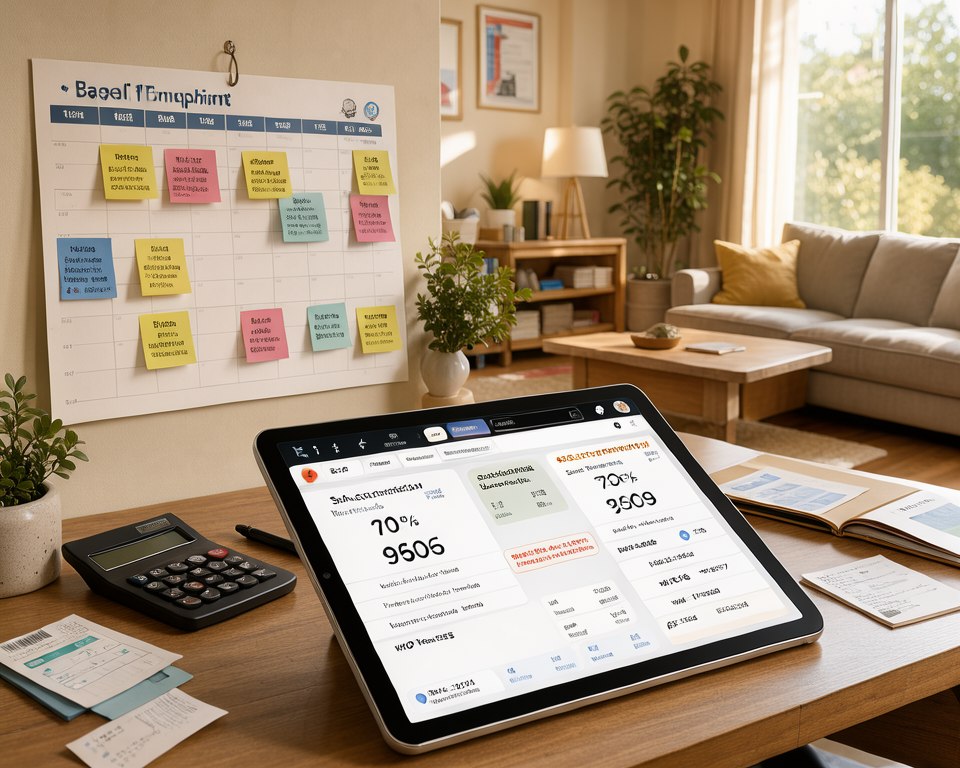
Best Free Budget App for Couples
Honeydue is the strongest free couple-first choice, while EveryDollar is the better fit for partners who want a shared zero-based budget. Built for couples, Honeydue offers account-level privacy controls and bill splitting. EveryDollar lets partners manage one budget while signing in with separate email addresses.
The best free budgeting app for couples is Honeydue for built-in couple-focused privacy and bill splitting. EveryDollar suits partners who want a shared zero-based plan and are comfortable with manual transaction entry on its free plan. Automatic imports in EveryDollar require Premium.
| App | Shared use | Privacy or tracking detail | Best fit |
|---|---|---|---|
| Honeydue | Free mobile app for couples | Account-level privacy controls and bill splitting | Couple-focused coordination |
| EveryDollar | One budget, separate email sign-ins | Manual entry on the free plan | Shared zero-based planning |
| Monarch Money | Separate partner logins and shared dashboard | Joint savings goals | Household-wide tracking |
| CountAbout | Joint and individual accounts | Shared savings goals and team debt payoff | Couples managing shared and personal finances |
Free and manual-entry options for partners
Honeydue is a free mobile budgeting app for couples. Its privacy controls let partners choose account-level visibility, while bill-splitting features help them coordinate shared costs. That setup may suit partners who want a couple-focused tool rather than a general budget with shared access.
EveryDollar takes a different route: both partners can use one budget with separate email addresses. The free plan supports a shared zero-based budget through manual transaction entry. Partners who want automatic bank imports need Premium, so the free approach asks them to keep purchases current themselves.
Shared dashboards and household features
Monarch Money gives each partner a separate login with a shared dashboard and joint savings goals. CountAbout supports both joint and individual accounts, shared savings goals and team debt payoff. Those options can help households that want to separate some money while still coordinating bigger priorities.
YNAB Together is a paid alternative that lets up to five users share one membership. That arrangement may suit households with several people involved in a budget. Each app handles access differently, so partners should decide which accounts need to be visible to each person.
Partners should agree on which accounts are shared before connecting financial information.
Budgeting Apps for iPhone and Desktop
For iPhone users who want a clear spending plan, EveryDollar is a strong free starting point, while Empower suits broader wealth tracking. The device fit matters when someone wants to record purchases or review accounts away from a computer. EveryDollar, Rocket Money and Empower have iOS apps.
EveryDollar and Goodbudget also offer desktop access. Goodbudget is available on iOS, Android and desktop, while Rocket Money is offered online as well as on iOS and Android. Empower is available on iOS and Android.
EveryDollar is the strongest free iPhone pick for zero-based planning, while Empower better suits investment and net-worth tracking. Both can work for iPhone users, but their purposes differ. A person should choose based on the information or routine they want at hand.
Three device checks can prevent a mismatch:
- Confirm the app is available in the official app store.
- Test whether desktop access matters for regular budget reviews.
- Check whether the household needs access on more than one device.
A phone-first user may value quick access during errands, while a desktop user may prefer a larger screen for planning. Some households use both, so the device limit and access pattern can shape the choice. Confirm the desktop and mobile options that matter before building a routine around an app.
Can Users Trust Budgeting Apps With Bank Data?
EveryDollar describes using Mastercard Connect, Plaid, encryption and secure data transmission to protect connected financial data. Those safeguards are useful details for people weighing account linking. Users can still review privacy settings and decide whether linking accounts is necessary.
Rocket Money also uses Plaid for bank connections. Linking can make transactions easier to track, while manual tracking avoids connecting a financial account but requires timely entry. Each approach has a different workload, and neither removes the need to protect the device used for money management.
No security statement replaces strong, unique account passwords and a protected phone or computer. Reusing passwords can expose more than one account if one login is compromised. A locked device also reduces the chance that someone else can open a budgeting app or financial account.
People who want to connect accounts can consider the stated protections while checking what data they choose to share. Someone who would rather keep bank logins separate can use manual transaction entry instead. The choice can be based on comfort and the time available to maintain records.
Readers who are uncomfortable linking accounts can start with manual transaction entry instead.
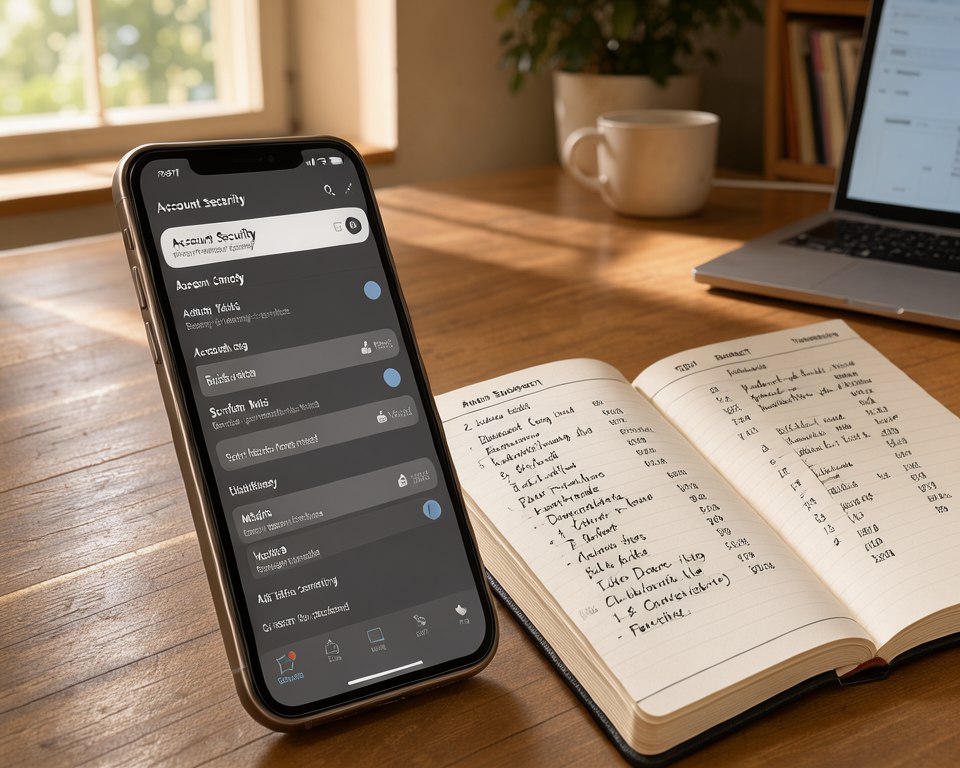
Build a Budget Before Choosing an App
A useful app choice starts with a clear picture of take-home income, recurring bills and the goals the budget must support. Start with real numbers, not an ideal month that leaves out irregular costs. A clear budget shows which tools will help and which features are unnecessary.
List after-tax income, then record recurring costs such as housing, utilities, loan payments, insurance, transportation, child care, groceries and subscriptions. Add variable expenses after the fixed bills are clear. A budget can only guide spending when it accounts for the costs that actually arrive.
Start with take-home income and monthly bills
Take-home income is the money available after taxes and other payroll deductions. A household with changing income can use a cautious estimate and adjust it when actual pay arrives. Monthly bills give the first set of obligations that the budget needs to cover.
Some costs shift from month to month, such as groceries or transportation. Others arrive less often, including annual fees or seasonal bills. Listing them early helps prevent a plan that looks balanced on paper but runs short later.
Choose a spending rule that fits
The 70/10/10/10 budget rule divides after-tax income into 70% for everyday living expenses, 10% for short-term savings, 10% for long-term investments and 10% for debt repayment. Minimum loan or credit-card payments count as living expenses. The debt share can go toward extra payments.
| Allocation | Share of after-tax income | Use |
|---|---|---|
| Living expenses | 70% | Everyday costs and minimum debt payments |
| Short-term savings | 10% | Near-term savings priorities |
| Long-term investments | 10% | Long-range investing |
| Debt repayment | 10% | Extra payments beyond required minimums |
The rule is a guideline, not a requirement. Someone can adjust the percentages to fit financial goals, debt obligations and income. A household facing high housing costs may need a different balance than one with more room for savings.
Use spending averages as context, not targets
In 2024, U.S. consumer units averaged $2,321 per month for housing, $1,214 for transportation and $1,014 for food. These are consumer-unit averages, not recommended amounts for every household. Local prices, household size and personal obligations can make a suitable budget look very different.
Three steps can turn the numbers into a starting budget:
- Total take-home income.
- Record recurring and variable costs.
- Assign remaining income to priorities.
Use national averages to understand the wider picture, not to set a personal spending target.
Once costs are visible, the budget can show whether savings, debt payoff or another goal needs more room. The right app is the one that supports the chosen routine without adding work the household will not maintain. Treat national spending averages as context, then set category amounts from the household’s own income and obligations.
What Mint Users Should Do Next
Mint users need to rebuild their current budget because the Mint app shut down on March 23, 2024, and its in-app data is no longer accessible. A replacement starts with the workflow that users want back, not just a familiar app name. The right option depends on whether they need planning, tracking or bill oversight.
EveryDollar suits a manually maintained zero-based budget. Empower is a fit for spending and net-worth visibility, while Rocket Money focuses on subscriptions and bill reminders. Choose a replacement by the task that mattered most in the old routine.
Replace the old workflow, not just the app
A Mint budgeting app replacement should be judged by the specific tasks the user wants back, not by branding or familiarity. Someone who relied on planned categories may value a hands-on budget. Someone who mainly checked account activity may prefer a broad spending overview.
Those differences can prevent a frustrating switch. A tool that handles recurring bills may not replace a category budget, and a net-worth tracker may not offer the same spending routine. Naming the old workflow first gives users a clearer way to compare current options.
Rebuild the budget with current account data
Recent account statements can help recreate categories and recurring expenses. Old in-app information is no longer accessible, so users should not build a new plan around the assumption that it can be recovered. Recent statements show the current pattern of income and spending.
Start with recurring costs, then add variable categories based on current transactions. A past budget may no longer reflect today’s bills or goals. Rebuilding from current activity creates a more useful starting point than copying an outdated plan from memory.
Begin with current account statements and a short list of recurring bills before connecting or entering transactions in a replacement.
Conclusion
A hands-on zero-based budgeter can start with EveryDollar’s free version, while Empower and Goodbudget serve different priorities. The best fit is the app whose core method matches the way someone wants to manage money, whether that means assigning income, viewing investments or setting envelope limits.
Testing the choice with a real month makes its strengths and friction clear. Choose one app, enter the next month’s income and bills, and review the budget once a week.
FAQ
What is the 70-10-10-10 budget rule?
The 70-10-10-10 budget rule assigns 70% of after-tax income to living expenses, then 10% each to short-term savings, long-term investments and debt repayment. Required minimum debt payments count as living expenses, while the debt portion can go toward extra payments. The percentages are a guideline, so households can adjust them to fit their income, obligations and financial goals.
What bills do most adults pay monthly?
Common monthly costs include housing, utilities, loan payments, insurance, transportation, child care, groceries and subscriptions. The exact mix depends on the household, since some people pay for child care or a mortgage while others do not. A useful budget lists recurring bills first, then adds variable expenses such as food and fuel using recent spending as a guide.
What is Dave Ramsey’s favorite budget app?
EveryDollar is associated with Dave Ramsey’s zero-based budgeting approach, but that does not establish a personal favorite. The app lets users assign income to budget categories and track purchases manually in its free version. People who want automatic bank imports need Premium. The best choice still depends on whether someone wants hands-on planning or a different kind of financial tracking.
Is EveryDollar actually free?
Yes, EveryDollar’s free version can be used indefinitely and includes manual transaction tracking. Users can build monthly budgets with custom categories and lines, then record purchases themselves. Automatic bank imports, custom reports and other added tools require Premium. The free version is not a two-week trial, so someone can keep using its core budget without paying.
Is there a 100% free budgeting app?
Empower’s app is free, and EveryDollar also has a free version that can be used indefinitely. Both can support different needs: Empower focuses on account-level spending and wealth visibility, while EveryDollar supports manual zero-based planning. Some features on other apps require paid plans, so users should compare the tasks they need with the features available without a subscription.
What’s better, Rocket money or EveryDollar?
Rocket Money is better for recurring subscriptions and bill oversight, while EveryDollar is better for assigning income to a zero-based budget. Rocket Money offers linked-account tracking, spending review and subscription management. EveryDollar’s free plan relies on manual transaction entry. The better fit depends on whether the main task is spotting recurring charges or planning how income will be spent.
Can I trust the EveryDollar app?
EveryDollar uses Mastercard Connect and Plaid for bank connections, along with encryption and secure data transmission. Those protections can inform a user’s decision, but they do not remove the need to review privacy settings or protect login details. Strong, unique passwords and a locked device matter for any financial app. Users who prefer not to link accounts can enter transactions manually.
What is the best zero-based budgeting app?
EveryDollar is the strongest free fit for zero-based planning because its core approach assigns income to budget categories. Its free version requires manual transaction entry, while automatic imports require Premium. YNAB is a paid alternative with a 34-day free trial for people who want active budget planning. The right choice depends on the routine someone can maintain each month.